Discover Campo De Fiori
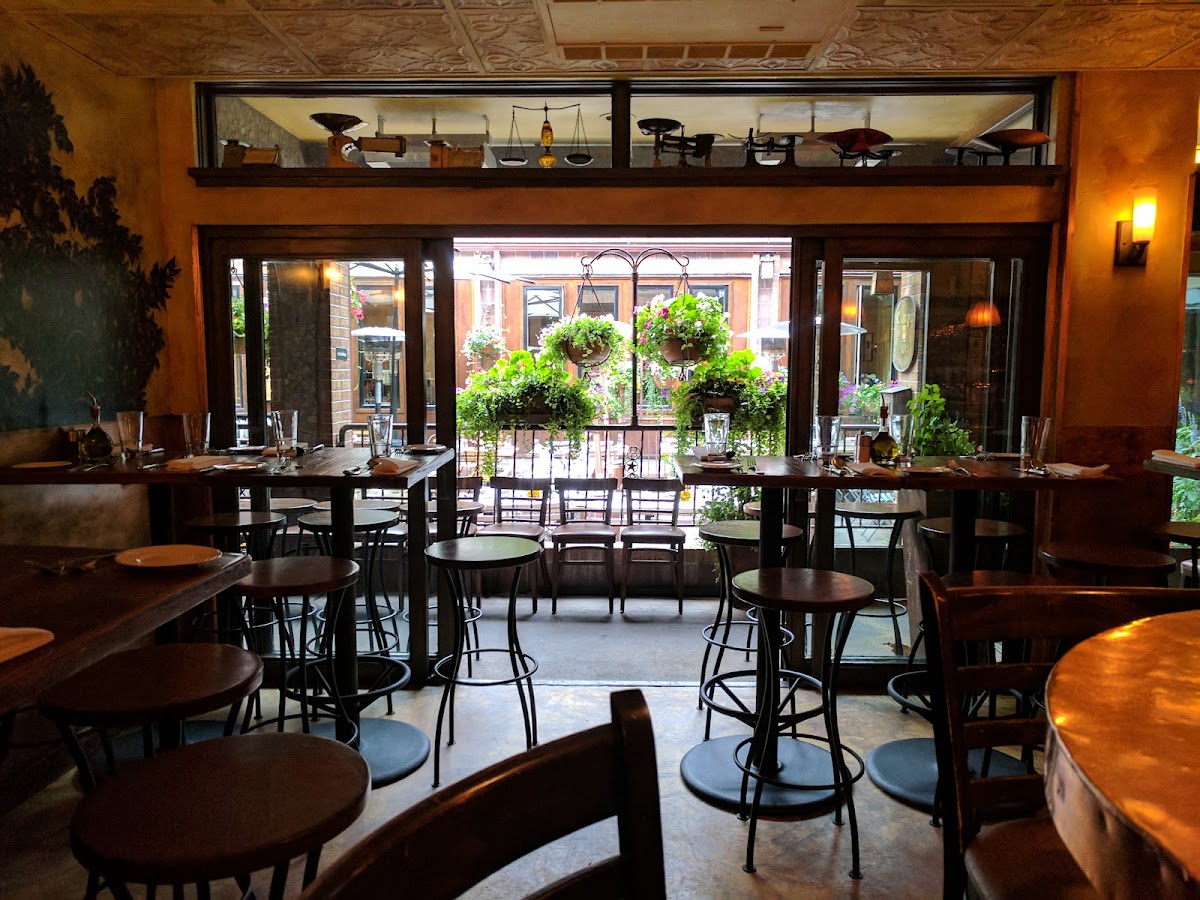
Walking into Campo De Fiori feels like slipping into a well-loved neighborhood trattoria, even though you’re right in the heart of Aspen at 205 S Mill St, Aspen, CO 81611, United States. I’ve eaten here more times than I can count over the years, usually after a long day outdoors, and the experience has stayed remarkably consistent. The room hums with conversation, the servers move with purpose, and the open kitchen sends out aromas of garlic, tomato, and fresh dough that make it hard not to order too much.
The menu leans confidently Italian, but without trying to impress through complexity. From a professional standpoint, this is smart restaurant design. Research from the National Restaurant Association shows that diners are more satisfied when menus balance familiarity with a few signature items, and that balance is clear here. The pizzas come out of the oven blistered and aromatic, with a crust that manages to be chewy and crisp at the same time. One server once explained their dough process to me in detail, describing a long fermentation that improves flavor and digestibility, a method widely supported by food science studies published by organizations like the American Institute of Baking.
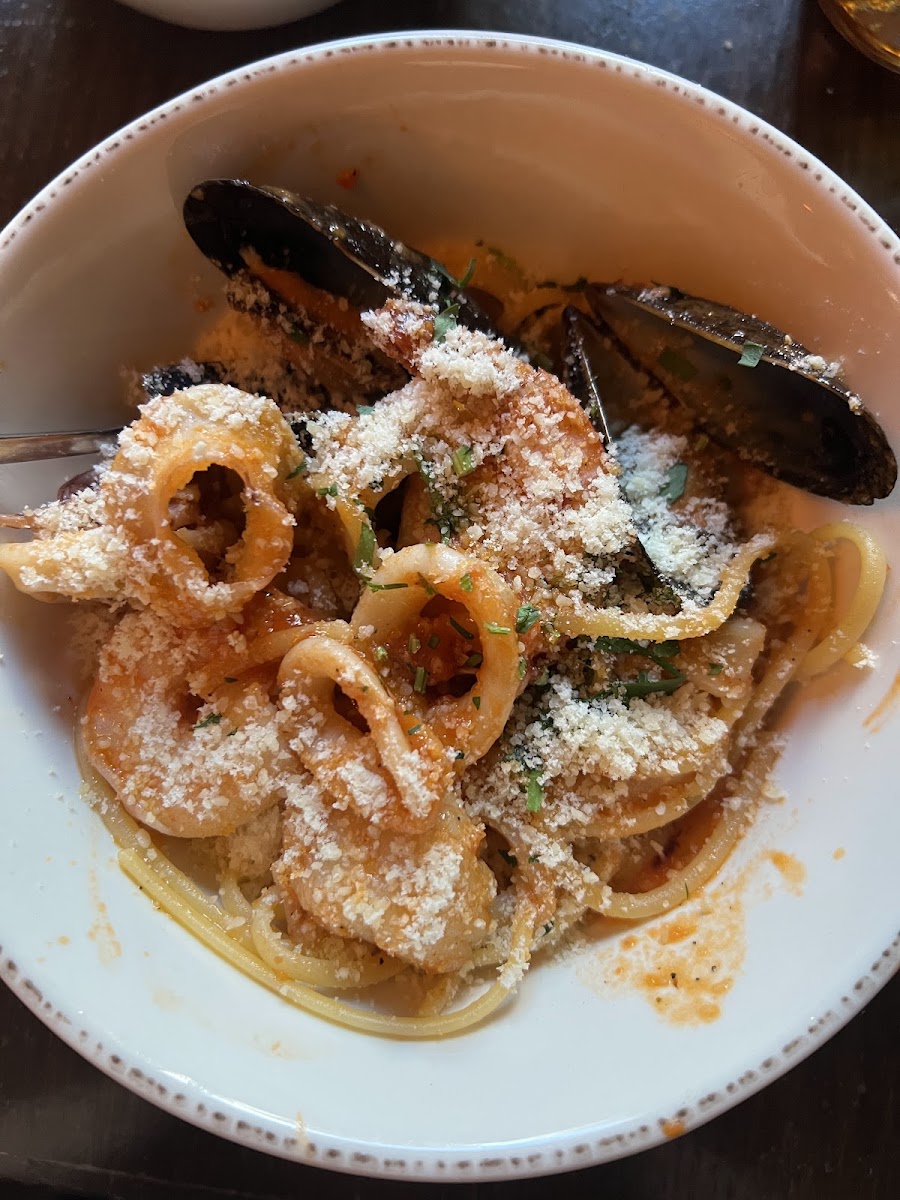
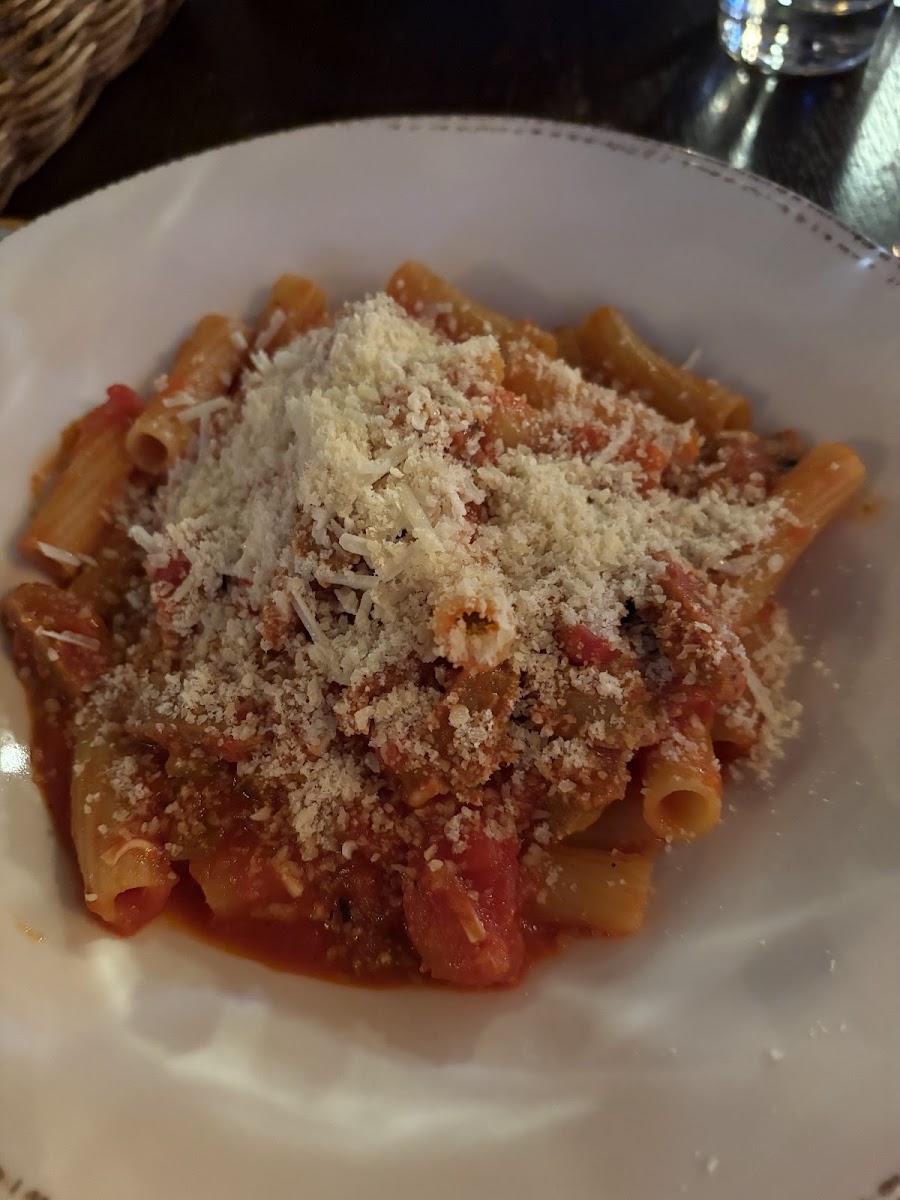
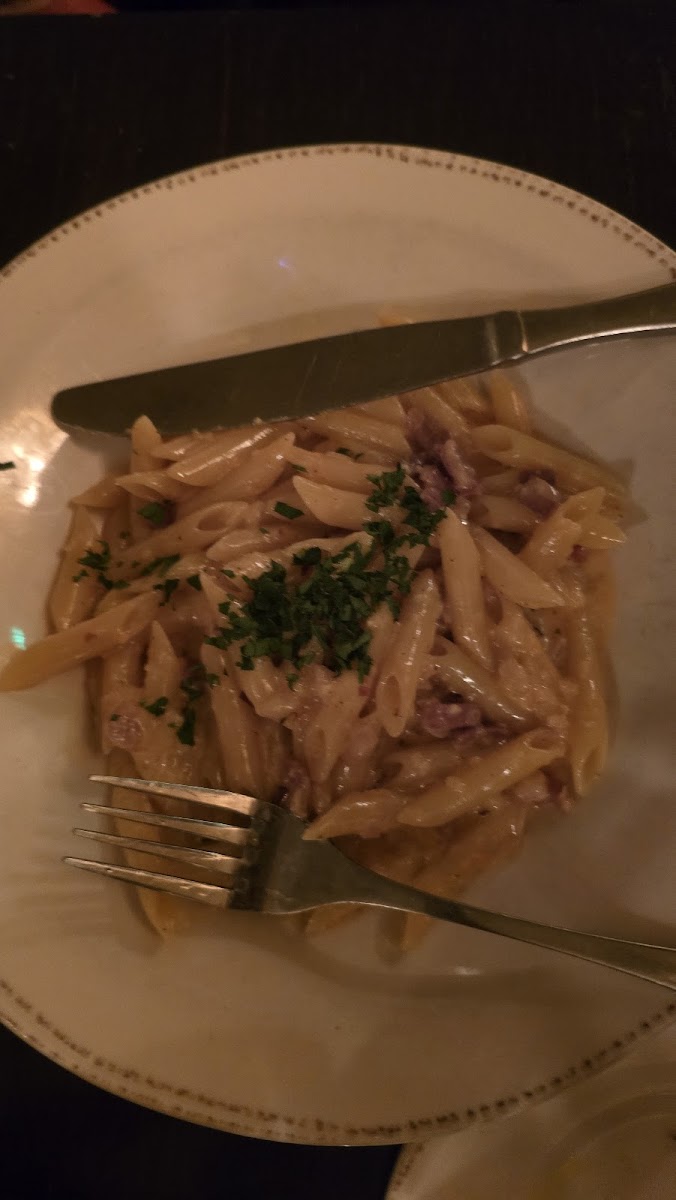
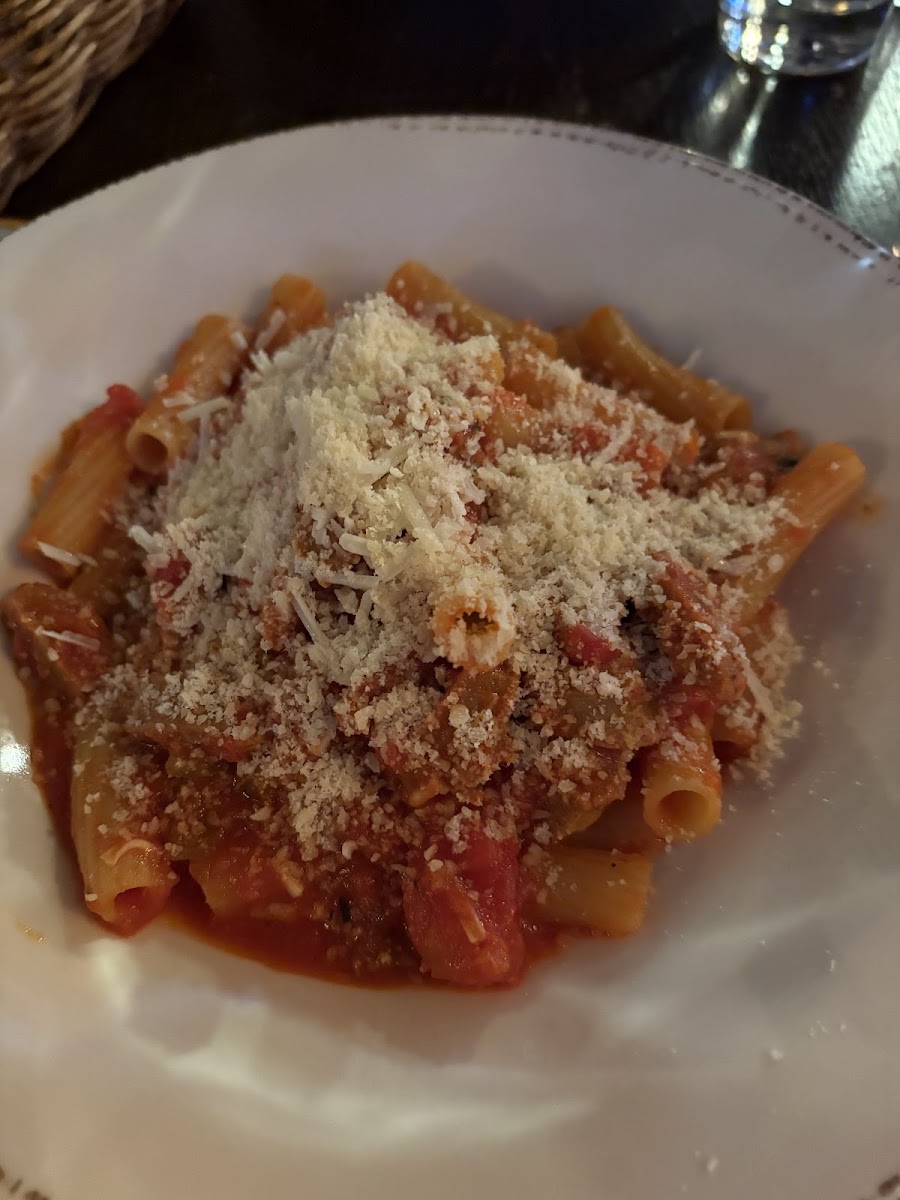
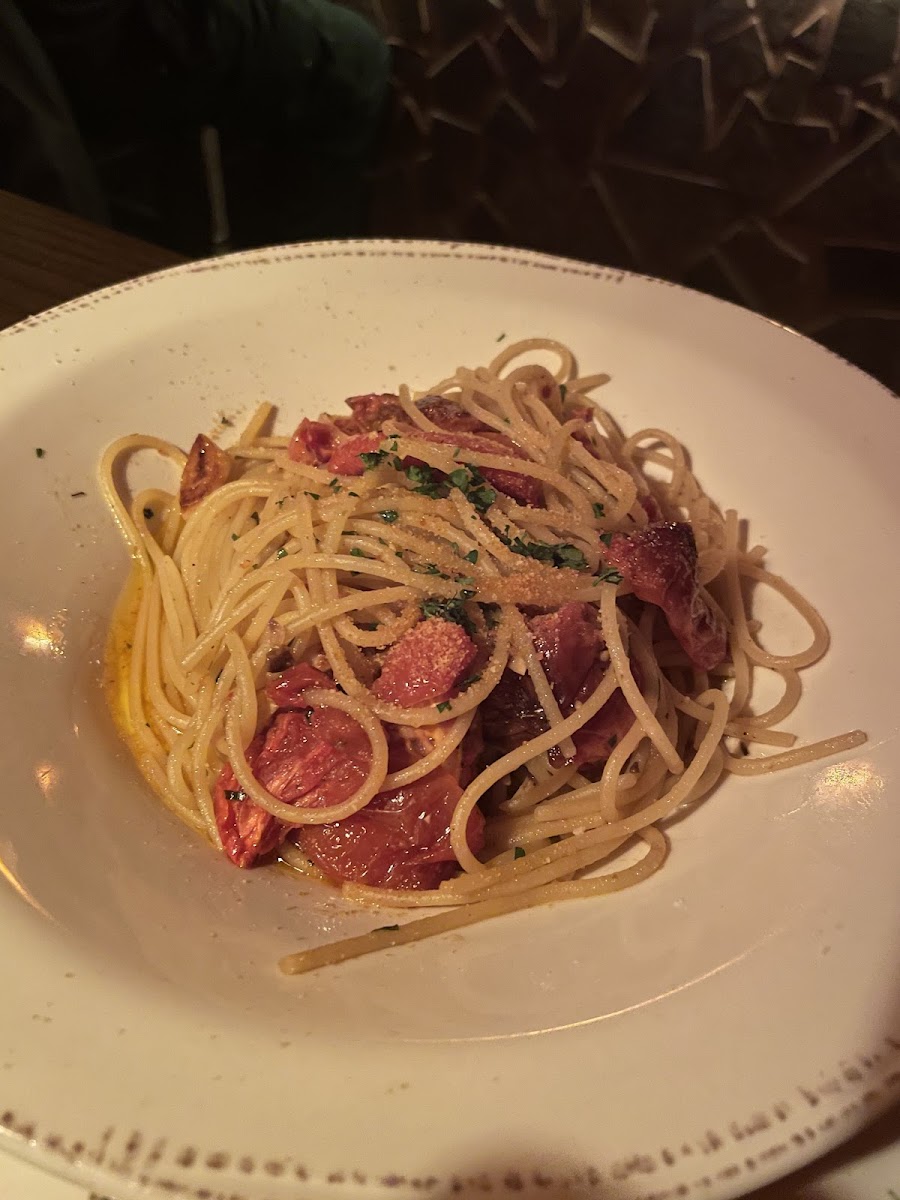
Pasta dishes are equally dependable. I’ve watched the kitchen during slower afternoons, and you can see the methodical approach: sauces reduced patiently, pasta cooked just shy of tender, then finished together so flavors actually bind. That attention to process matters. According to culinary educators at the James Beard Foundation, finishing pasta in sauce rather than ladling it on top enhances texture and taste, and you can feel that difference on the plate. When people leave reviews mentioning that everything tastes cohesive rather than scattered, this is why.
What stands out beyond the food is how the staff manages volume without sacrificing warmth. During peak ski season, the dining room fills fast, yet orders remain accurate and timing rarely slips. That speaks to solid operational systems, something hospitality consultants often note as the backbone of long-running restaurants. I’ve spoken with a manager here who emphasized daily pre-shift briefings, a simple but effective practice recommended by Cornell University’s School of Hotel Administration to improve service consistency.
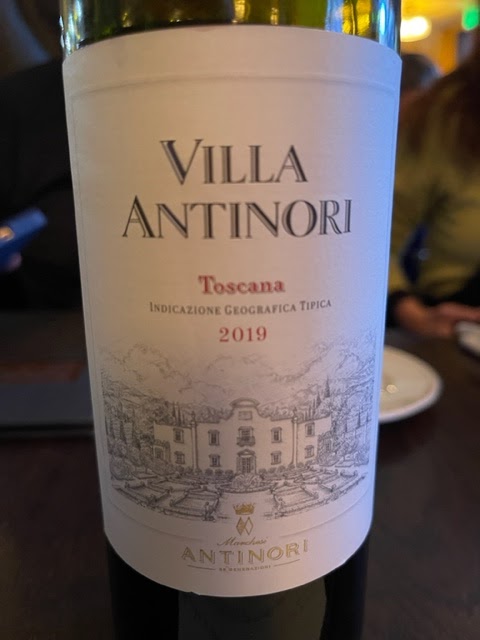
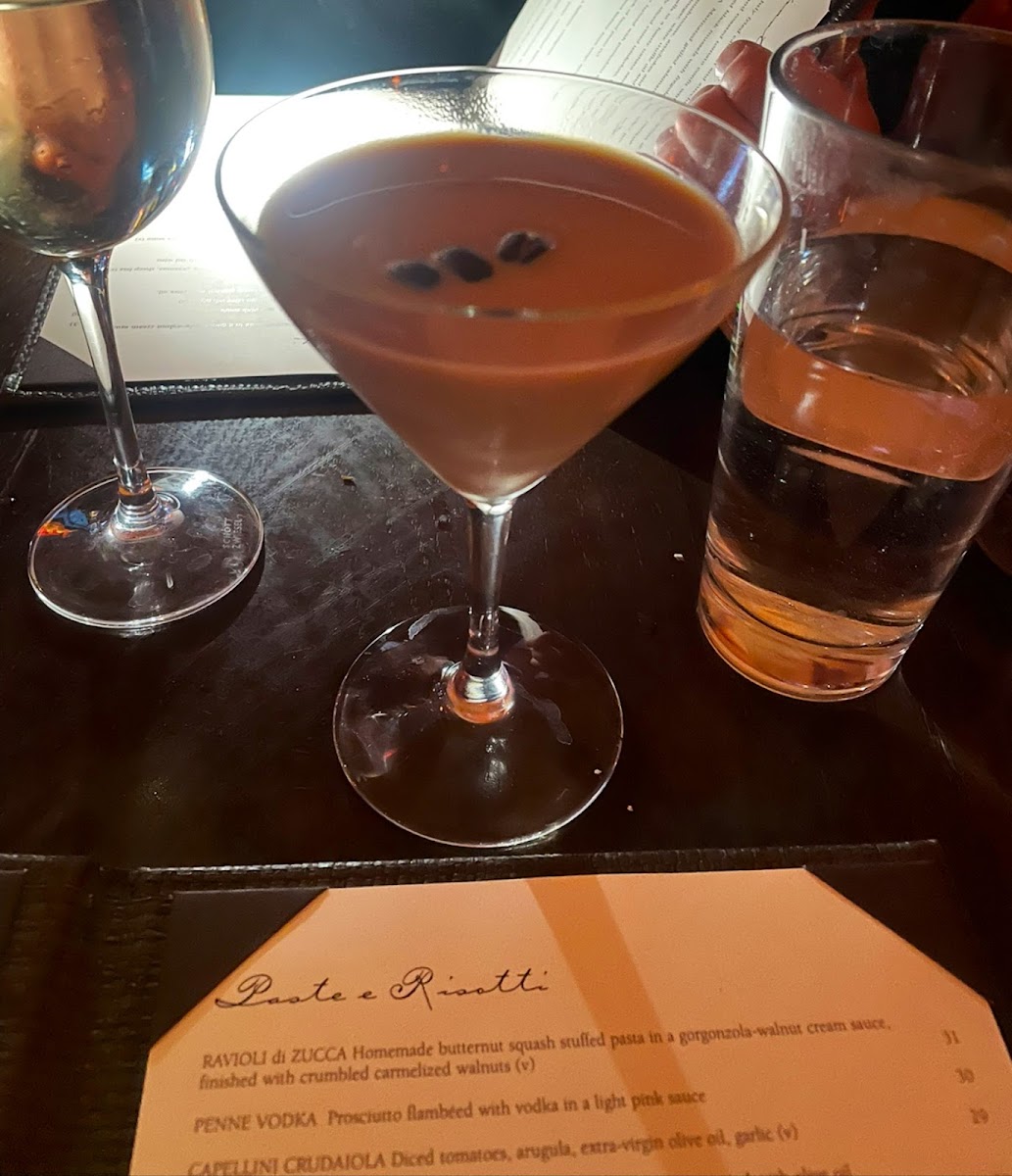
The wine and cocktail program deserves its own attention, even without formal labels. Italian reds are well represented, and the staff is trained to suggest pairings without sounding rehearsed. I once asked for something versatile enough to work with both pizza and pasta, and the recommendation landed perfectly. That kind of guidance builds trust, and trust is why so many regulars keep coming back year after year.
Location also plays a role in the experience. Sitting just off Aspen’s main pedestrian area, it’s easy to stop in casually or make it the anchor of an evening out. Reviews often mention how welcoming it feels for both locals and visitors, which aligns with my experience. There’s no pressure to rush, even when tables are in demand, and that sense of ease is something diners increasingly value, according to recent consumer dining surveys by OpenTable.
Not everything is flawless, and it’s fair to acknowledge that. During extremely busy nights, noise levels can spike, and those looking for a quiet, intimate dinner might feel overwhelmed. Still, that energy is part of the charm for many people, myself included. When friends ask where to eat in Aspen without overthinking it, this place comes up naturally because it delivers exactly what it promises: honest Italian cooking, reliable service, and an atmosphere that feels lived-in rather than staged.
More than once, I’ve overheard first-time guests say this feels like a place locals actually eat, and that comment sticks because it’s accurate. In a town full of high-end dining options, there’s real value in a restaurant that focuses on execution, consistency, and genuine hospitality, and that’s where this spot quietly excels.